Each programme runs at two developmental levels. The distinction goes beyond activity difficulty: it changes the depth of facilitation, the complexity of what learners are asked to do and the focus areas.
Programmes serve schools in Cape Town and surrounding regions. Planning begins with your grade group, learner numbers, learning objectives, timing and venue.
PROGRAMME CATEGORY
Leadership & Personal Development
GRADES 6–7
Build the foundations.
Team challenges that develop listening, communication under pressure, and basic awareness of how groups function. Learners work through trust-building tasks, structured group problems, and guided discussion around how they handled the pressure.
GRADES 8–9
Go deeper. Take ownership.
More demanding leadership scenarios. Learners take on defined roles within a group challenge, manage team dynamics, and work through communication exercises drawn from real workplace and prefect situations. Works well as part of prefect preparation or grade leadership building.
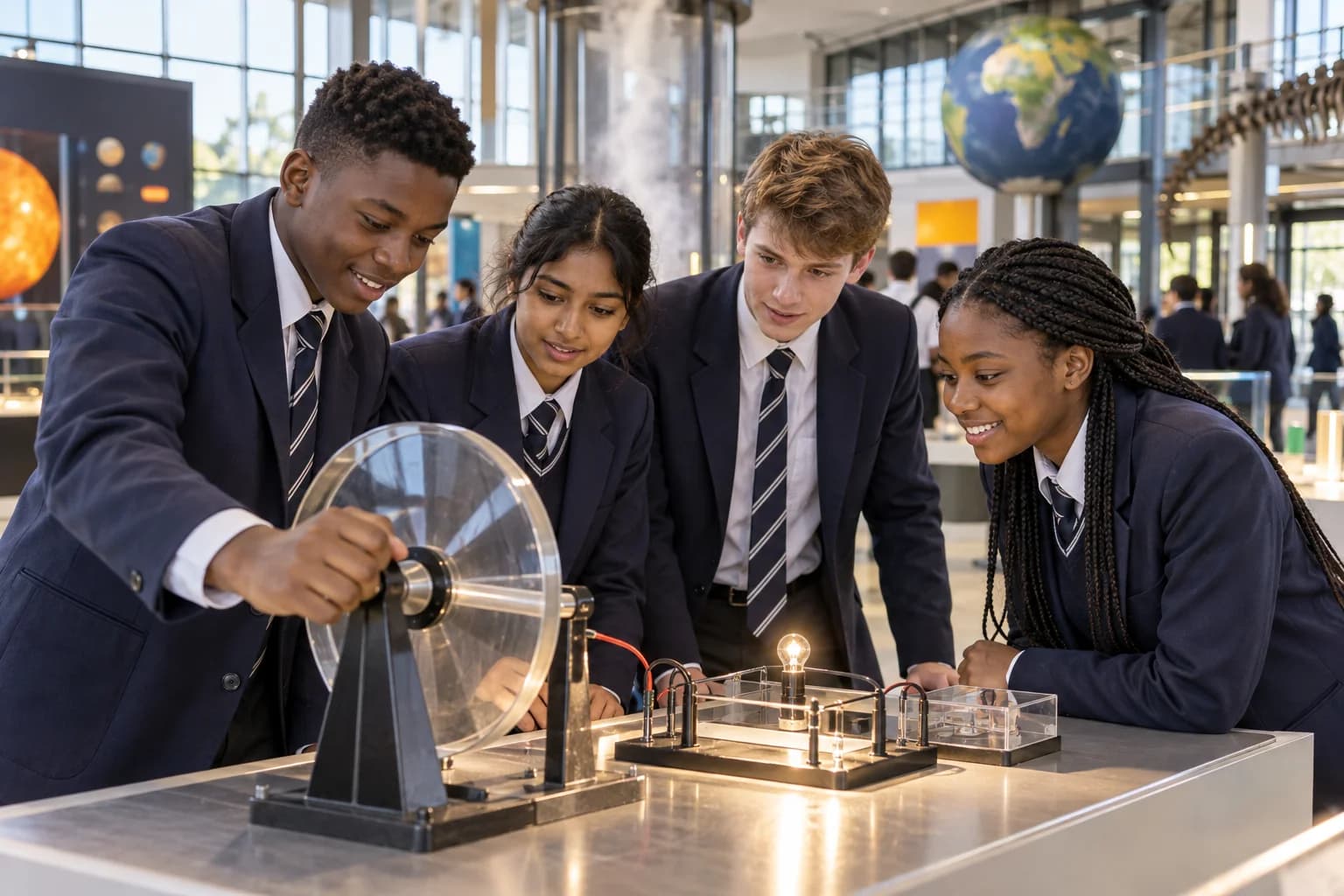
Practical engineering and science activities where learners build, test, and adjust. The focus is applying what they already know from the classroom — in a setting where they can see what works and what does not.
GRADES 8–9
Go deeper. Take ownership.
More complex design and problem-solving challenges. Learners move through a full build cycle — identifying the problem, prototyping a response, testing it, and presenting it. Connects well with Grade 8–9 Natural Sciences and Technology.
Simulation-based activities that introduce learners to basic business and financial concepts. Learners work in teams to develop a simple idea, make decisions with a limited budget, and present what they came up with.
GRADES 8–9
Go deeper. Take ownership.
A fuller entrepreneurship simulation that mirrors EMS content. Teams work through concept development, budgeting decisions, and a final pitch to a panel. Learners who have never considered themselves business-minded often surprise themselves.
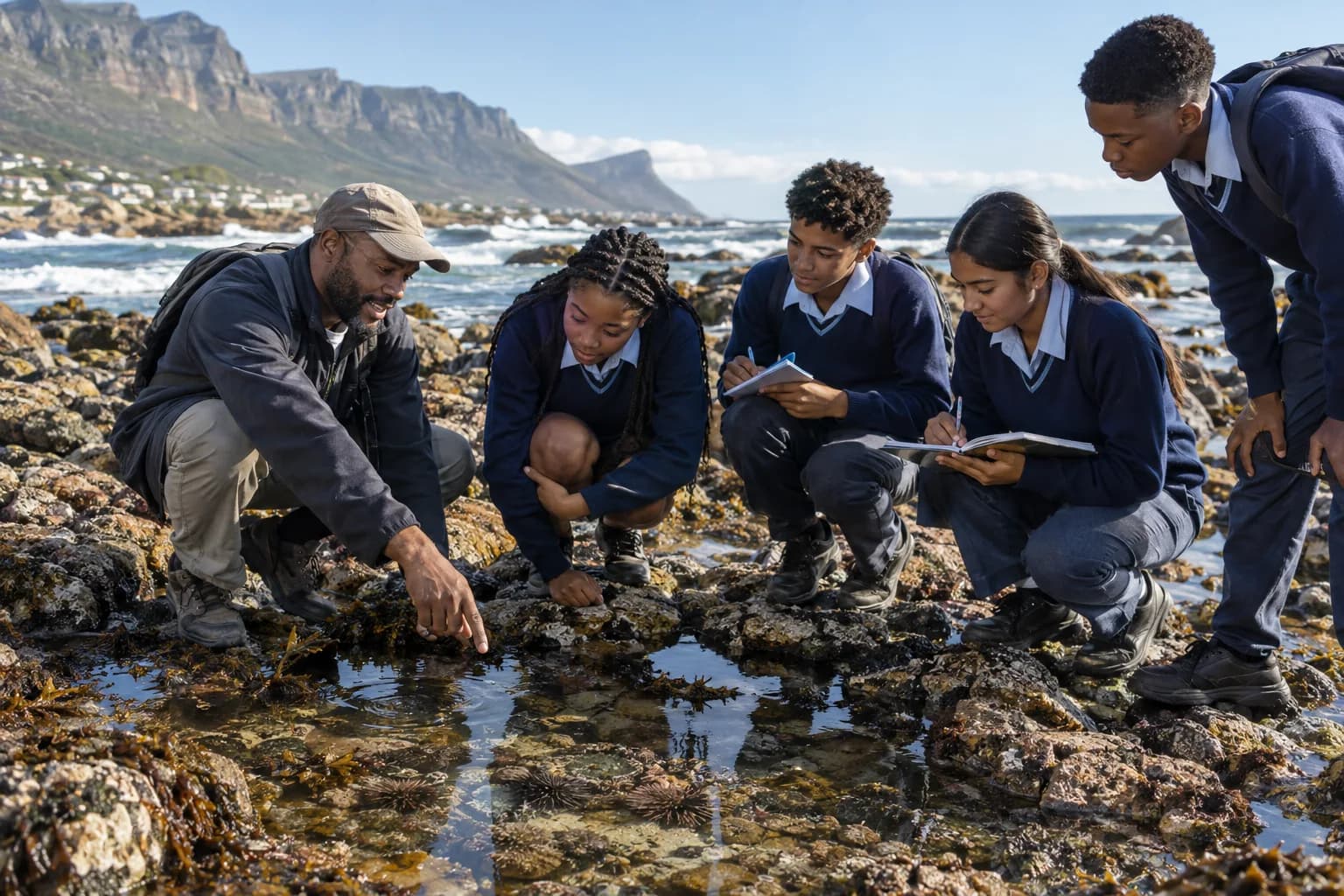
Field-based observation and guided investigation activities. Learners develop the habit of observing carefully, recording what they find, and discussing it in a structured way. Focus is on building curiosity and basic scientific fieldwork skills.
GRADES 8–9
Go deeper. Take ownership.
More analytical fieldwork. Learners investigate local ecosystems or environmental challenges, work through a sustainability problem with real constraints, and present their findings. Connects well with Natural Sciences and Geography content.
Early career awareness activities focused on exploring different work roles and industries. Learners are encouraged to ask questions and think about what kind of work interests them — without the pressure of subject choices yet.
GRADES 8–9
Go deeper. Take ownership.
Structured workplace and industry exposure designed to sit alongside the Grade 9 subject-choice process. Learners visit real working environments, interact with professionals, and work through a facilitated reflection exercise that makes the visit educationally useful rather than just a day out.
Learners apply classroom ideas, practise communication and collaboration, and use guided reflection to connect experience with existing knowledge. The specific focus follows the chosen programme category and grade level.
Programme formats
One-day programmes include full-day facilitation, activities, reflection, materials, lunch and refreshments. Overnight programmes add accommodation, all meals, facilitation across both days and an evening session.
One-day: R1,100–R1,450 per learner. Overnight: R2,400–R3,800 per learner. Final pricing depends on group size, category, venue and distance. Transport is excluded unless specifically agreed.
What schools receive
Programme outline
Day schedule
Parent communication template
Consent documentation
Learner information checklist
Preparation notes
A single EduWay coordinator
From planning to reflection
Initial enquiry, programme planning, admin preparation and confirmation establish the agreed programme. EduWay coordinates delivery and builds structured reflection into the day. Post-programme support is available on request within five working days.
Recommended minimum lead times: 2–3 weeks for one-day programmes; 4–6 weeks for overnight programmes.